Learning Philosophy
Learning Should Feel Like Play.
We believe every child is naturally curious. Haw & Yui Learning turns that curiosity into an adventure — where every challenge, every retry and every level represents real progress.
01 — Curiosity
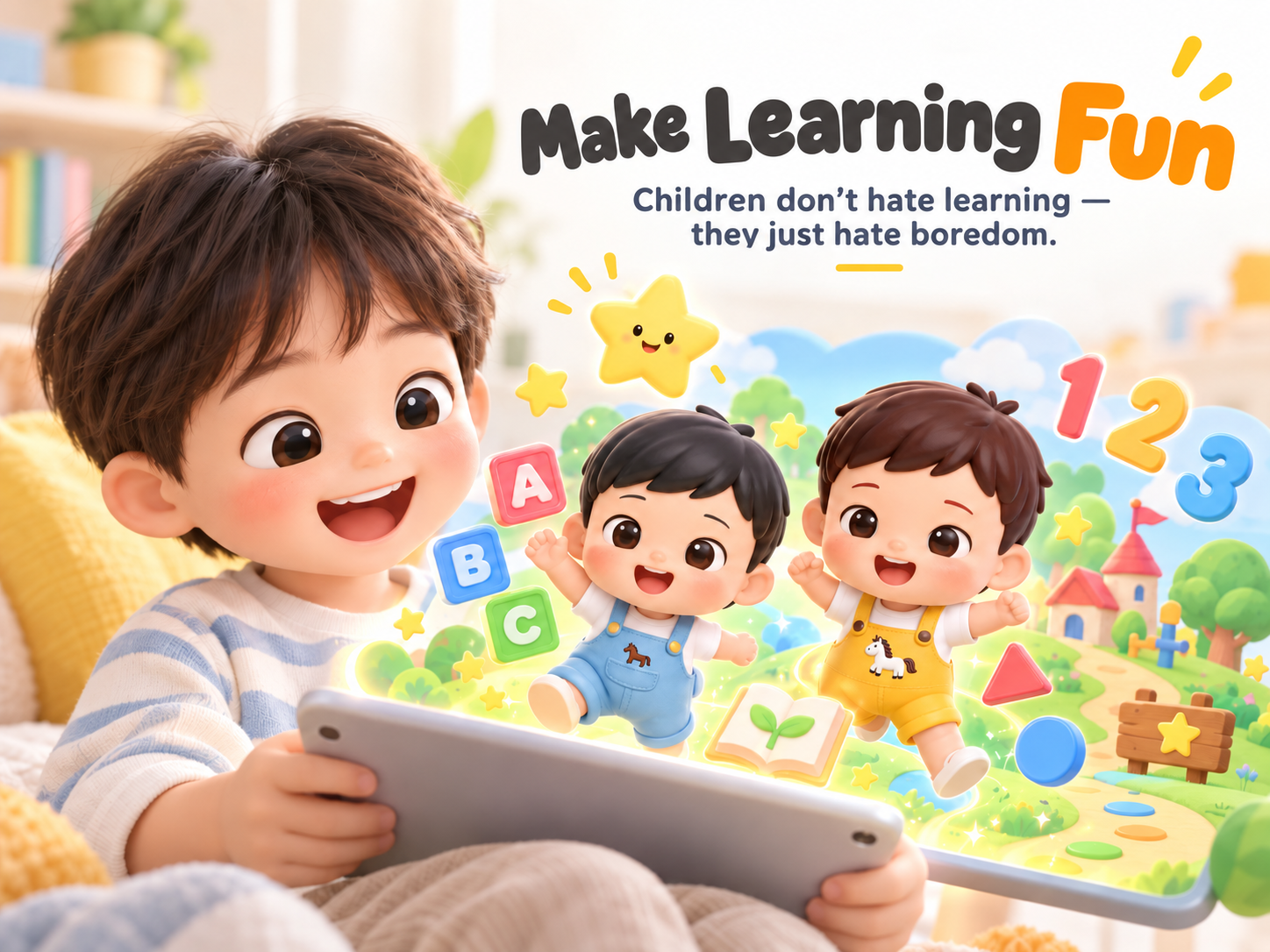
Make Learning Fun
Children don’t hate learning — they just hate boredom.
Children are naturally curious. They want to touch, explore, ask questions and discover how things work.
When learning feels boring or frustrating, it doesn’t necessarily mean a child doesn’t want to learn. Sometimes, they simply need a different way to experience it.
Haw & Yui Learning turns concepts into playful challenges, animated worlds and interactive adventures.
Instead of simply asking children to remember an answer, we give them a reason to use what they know.
When learning feels like play, curiosity keeps children moving forward.
02 — Progression
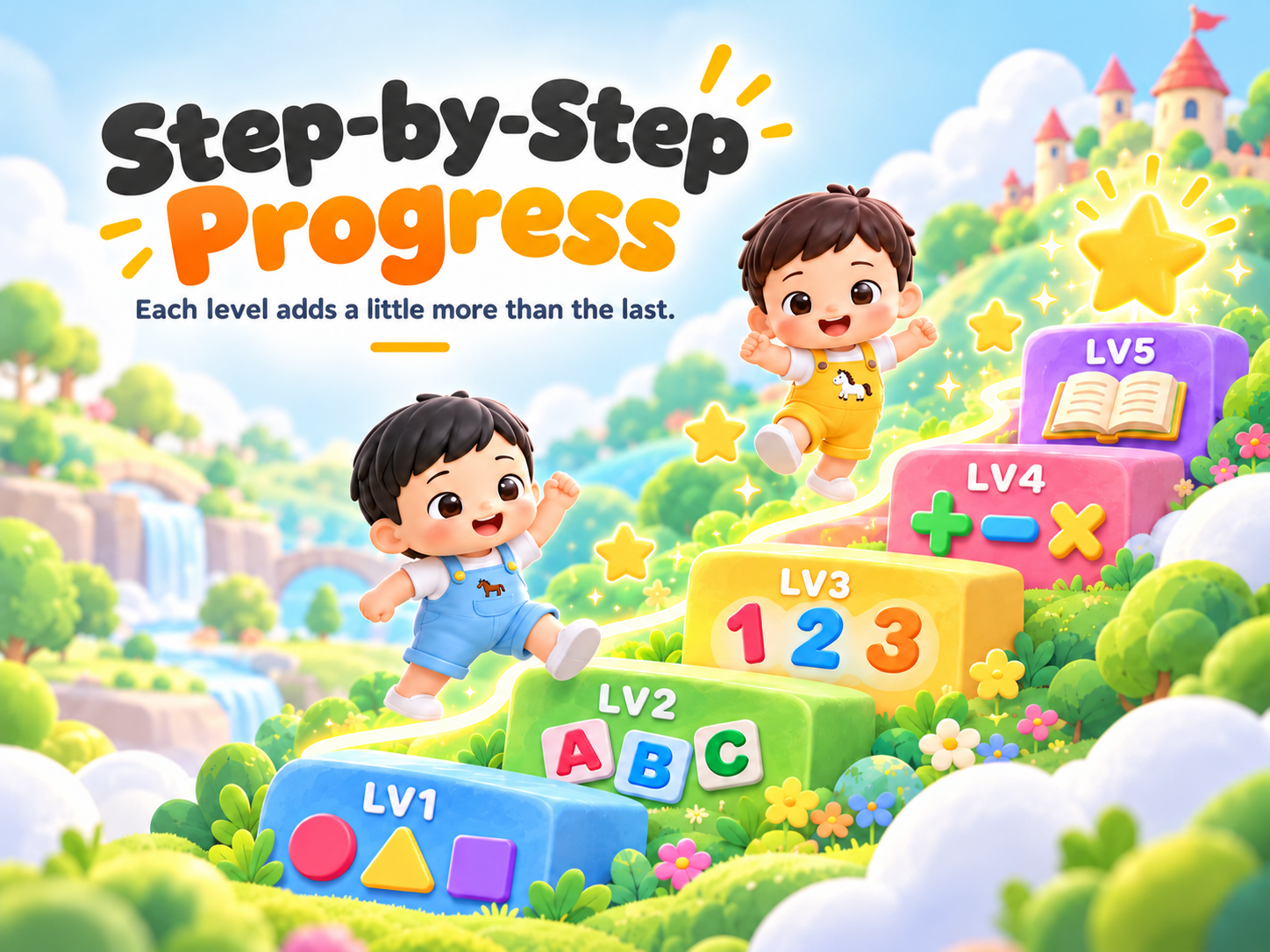
Step-by-Step Progress
Each level adds a little more than the last.
A well-designed game would never ask a Level 5 player to defeat a Level 50 boss.
Learning shouldn’t either.
Every challenge should build on something the child already understands, introducing new difficulty gradually rather than overwhelming them all at once.
Small victories create confidence. Confidence makes children willing to attempt the next challenge.
Haw & Yui Learning uses game-style progression so children can develop knowledge one step at a time.
Challenge should feel achievable — but never meaningless.
03 — Mastery
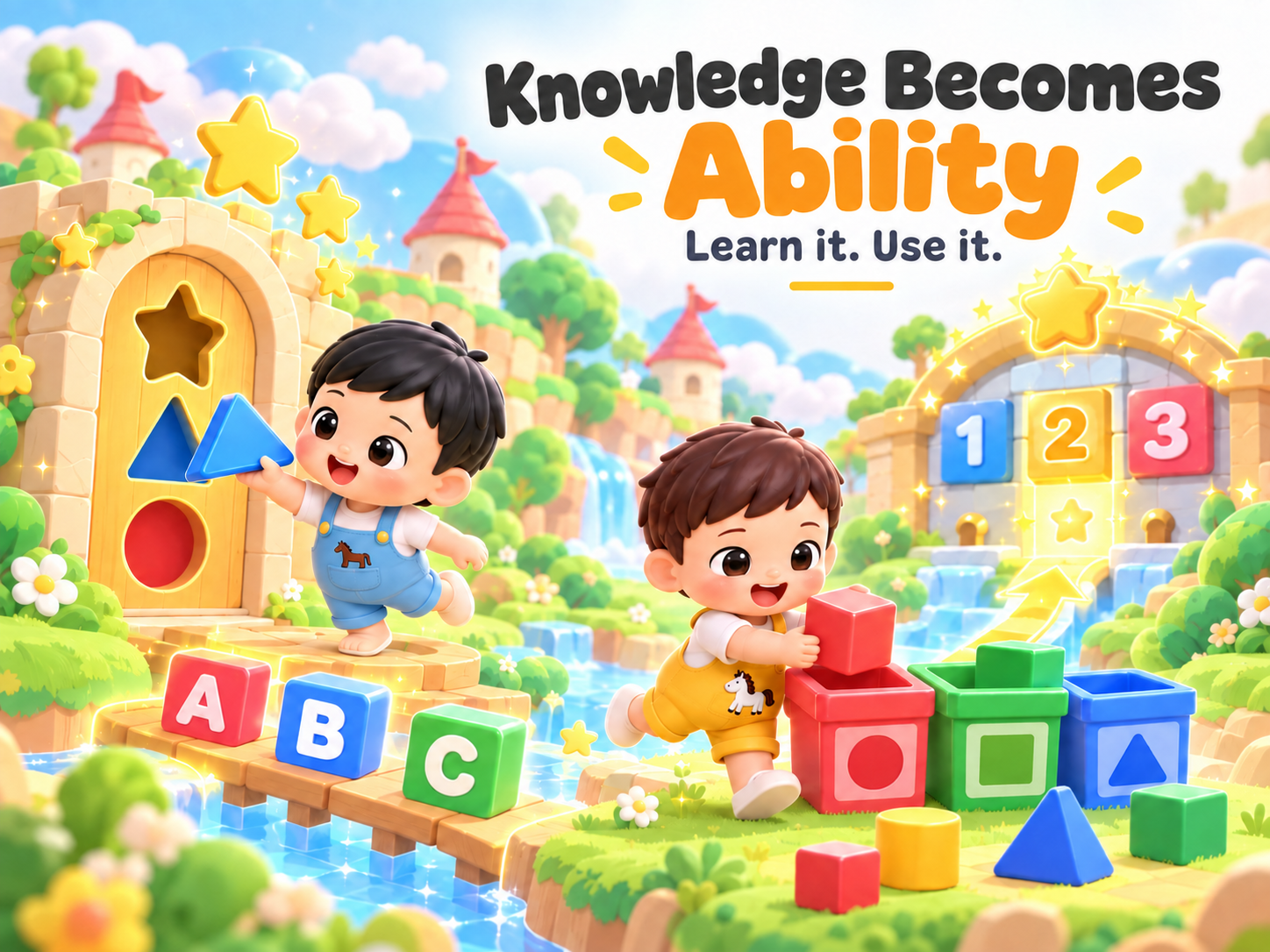
Knowledge Becomes Ability
Learn it. Use it.
Recognizing the correct answer is only the beginning.
A child may first learn what a triangle is.
Later, they may need to identify it among other shapes, match it, use it to solve a puzzle, combine it with other knowledge and eventually apply the concept in an unfamiliar situation.
That progression turns memorized information into usable ability.
Our goal is not simply to help children know more.
We want them to do more with what they know.
04 — Growth
Visible Growth
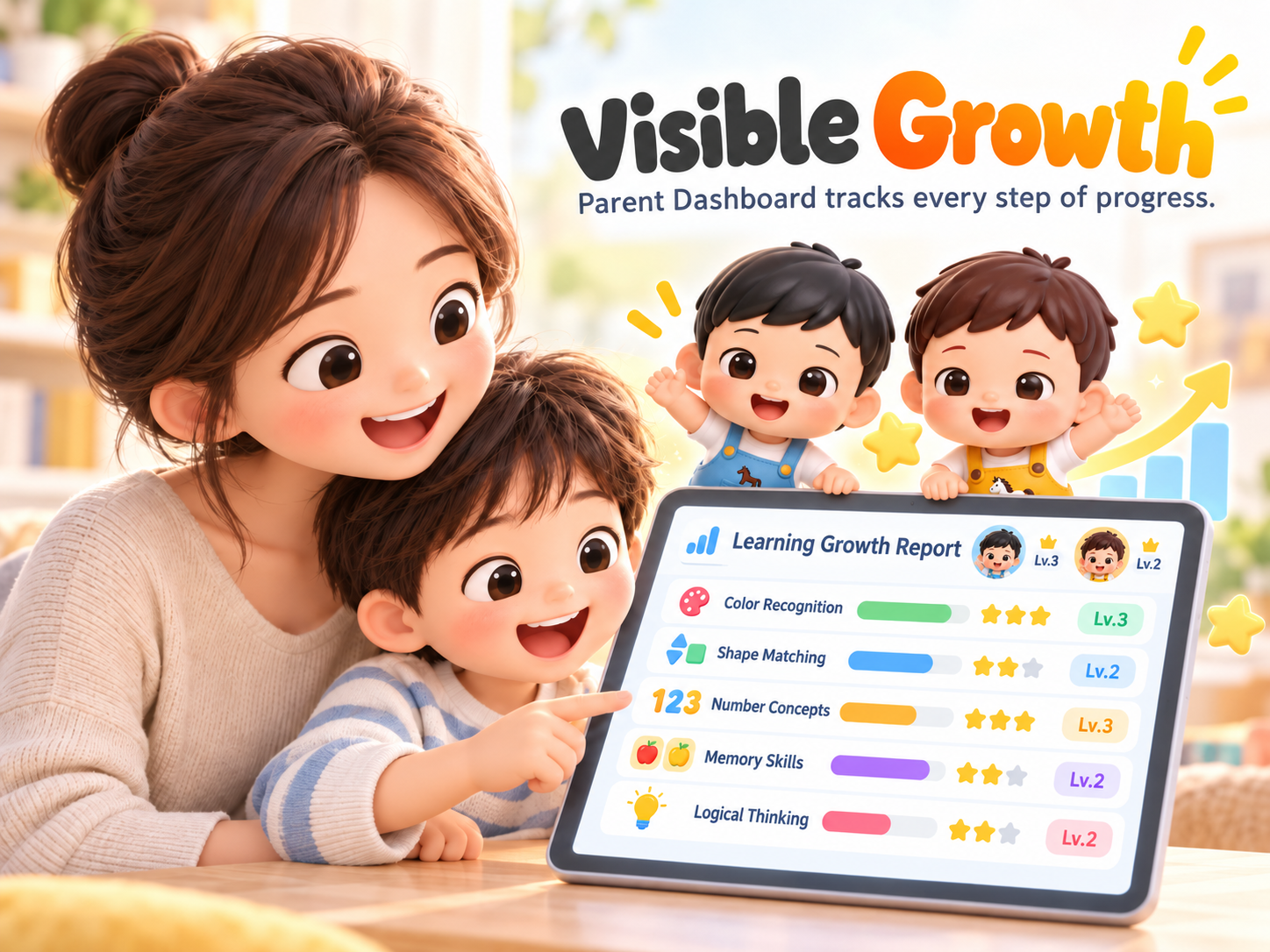
Parents should be able to see progress, not guess it.
Every completed challenge tells us something about what a child can do.
Haw & Yui Learning can translate completed activities into visible learning progress across areas such as colors, shapes, numbers, matching, memory and logical thinking.
Through the Parent Dashboard, parents can understand which skills are developing, which concepts have been mastered and where additional practice may help.
Instead of reducing learning to one test score, we want to create a growing picture of the child’s abilities.
Every level completed should represent real growth.
The Real Reward
“I couldn’t do this yesterday.But today, I can.”
Stars are fun. Badges are exciting. Levels make progress visible.
But the greatest reward is the moment a child realizes that something once difficult has become something they can do.
That is the kind of learning experience we want to build at Haw & Yui World.